The End of Junk Swag? 5 Lessons from Dreamforce 2025 on Merchandise That Matters
From Landfill Fodder to Brand-Building Experiences
Every event marketer knows the scene: a conference hall overflowing with cheap pens, flimsy tote bags, and branded stress balls destined for the nearest trash can. For years, corporate swag was a race to the bottom, a numbers game of handing out as much as possible. But if Dreamforce 2025 taught us anything, it’s that the era of junk swag is officially over.
This past September, as over 150,000 people descended on San Francisco for Salesforce’s mega-conference, a quiet revolution was taking place at the booths. The conversation has shifted from “free stuff” to strategic brand experiences. Companies are finally realizing that a single, high-quality piece of merchandise can create a more lasting connection than a hundred forgettable trinkets. Explore how Dreamforce 2025 in San Francisco is reshaping corporate swag through sustainability, tech innovation, and personalized branding. It’s no longer an afterthought; it’s a critical touchpoint.
“At this scale, swag isn’t just a giveaway—it’s an experiential statement,” noted Maria Chen, a Bay Area SaaS Brand Director. “Every attendee should walk away with something that feels valuable and purposeful.”
The Top 5 Corporate Swag Trends We Saw on the Ground at Dreamforce
So, what does this new wave of intentional swag look like? Here are the five biggest trends that dominated the Moscone Center and how you can apply them to your own event strategy.
1. Sustainability Isn’t a Feature, It’s the Standard
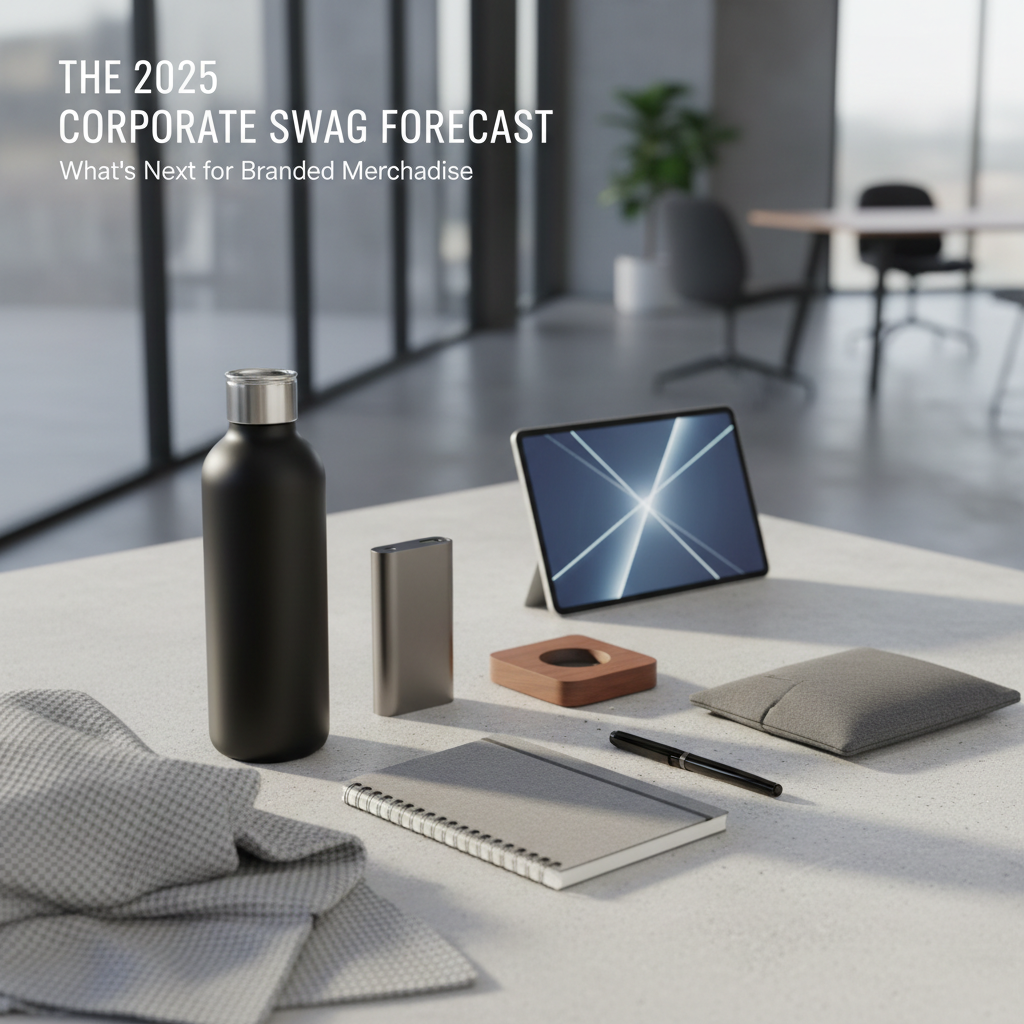
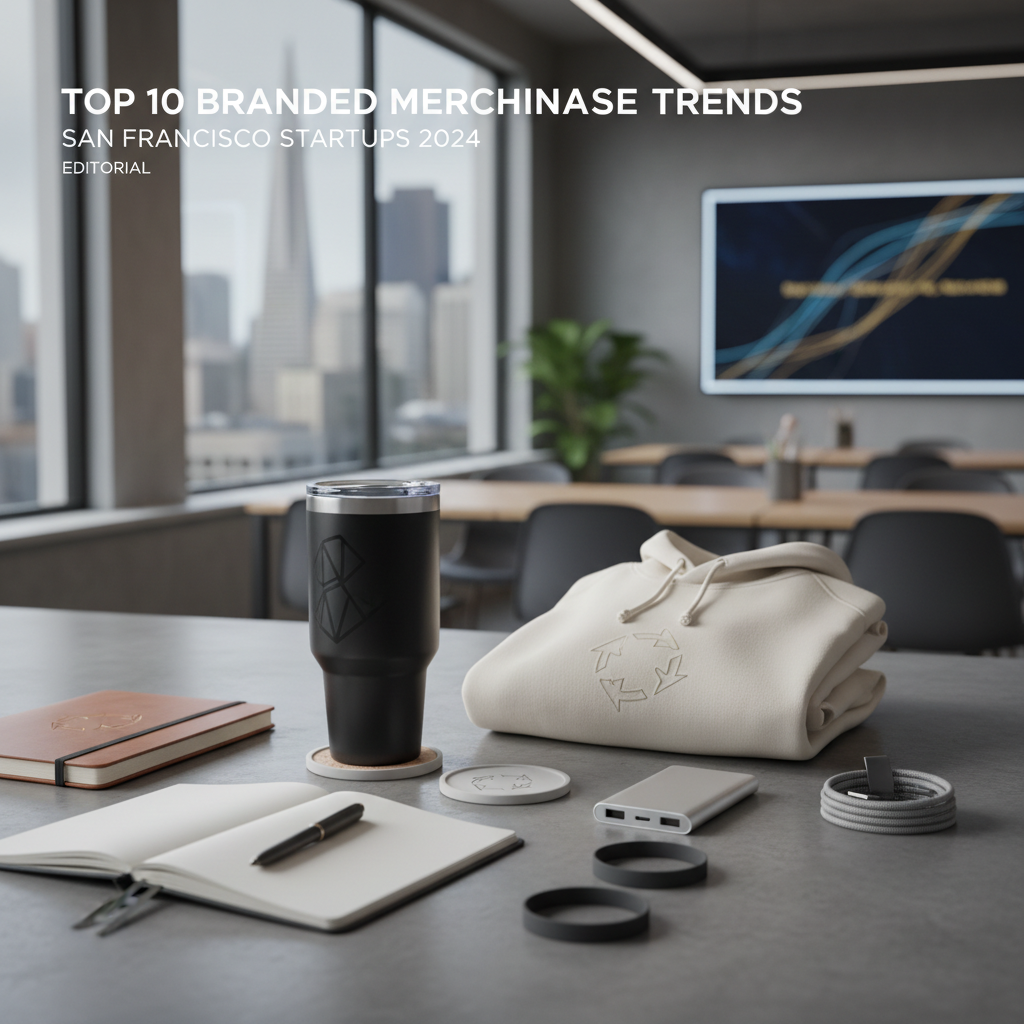
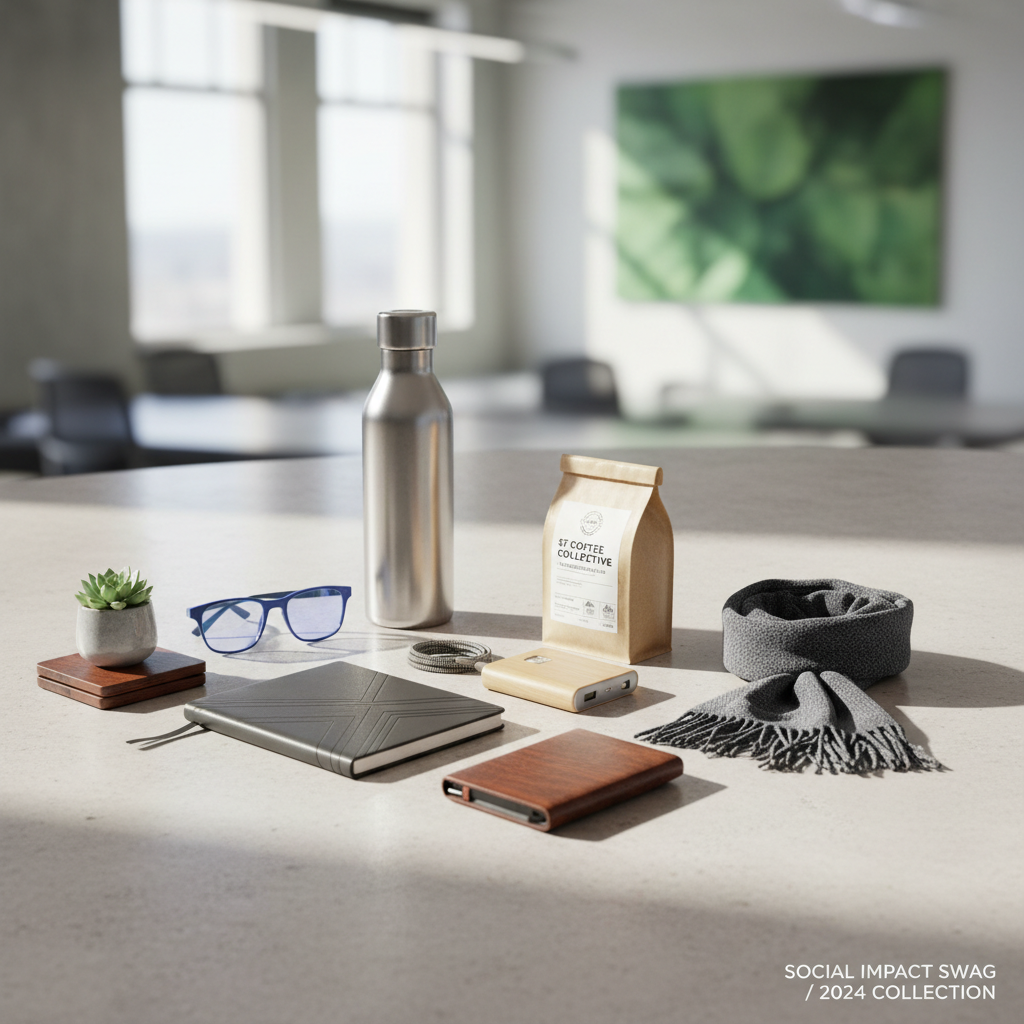
The message was loud and clear: if your swag isn’t eco-conscious, you’re behind the curve. We saw a surge in bamboo notebooks, hoodies made from recycled fabrics, and sleek, refillable aluminum water bottles. Brands understand that handing out single-use plastic is a direct contradiction to the forward-thinking values they profess. Sustainability is no longer a niche preference; it’s a baseline expectation that reflects your company’s commitment to corporate responsibility.
2. Tech You’ll Actually Use: Practical Gadgets Win
The novelty of a branded PopSocket has worn off. This year was all about utility. Booths that drew the biggest crowds offered high-value tech that solves real-world problems for a hybrid workforce. Think wireless charging pads that declutter a desk, Bluetooth trackers to find your keys, and thoughtfully designed travel kits for professionals on the move. The new rule: if you wouldn’t use it yourself, don’t put your logo on it.
3. Hyper-Local Hits: Tapping into San Francisco’s Vibe
Smart brands made their merchandise feel unique to the moment. We saw custom swag kits incorporating San Francisco’s iconic landmarks, street art motifs, and local culture. This approach does more than just give someone a t-shirt; it ties your brand to the memory and energy of the event city. It creates a keepsake that says, “I was there,” making your brand an integral part of that experience.
4. The “Make It Mine” Experience: On-Demand Customization
Why give everyone the same thing when you can let them create their own? A growing number of exhibitors featured live customization stations. Attendees lined up for the chance to have t-shirts screen-printed, hats embroidered, or notebooks embossed on the spot. This interactive approach transforms a passive giveaway into an engaging activation, creating both a personalized product and a memorable brand interaction.
5. Swag for the Whole Human: Wellness Takes Center Stage
Recognizing the burnout felt across every industry, many companies chose to gift items focused on well-being. Stress-relief kits with essential oils, high-quality yoga mats, and eco-friendly hydration packs were popular choices. This trend shows an empathetic understanding of the modern professional, positioning a brand as one that cares about people, not just prospects.
Your Post-Dreamforce Playbook: Turning Swag into Strategy
Seeing these trends is one thing; implementing them is another. To make your next trade show investment count, you need to think like the brands that won at Dreamforce.
- Plan Early, Integrate Always: Your promotional products should be woven into your campaign from day one, not ordered a week before the event. Align the message of your swag with your digital and in-booth marketing.
- Measure What Matters: Use QR codes or unique URLs on your merchandise to track engagement. Connect your swag to a demo request, an app download, or an exclusive content offer to measure its direct impact on your pipeline.
- Don’t Forget Your Internal Team: The best event merch shouldn’t be limited to prospects. Use it to energize your own team, as part of post-show recognition, or in new-hire onboarding kits to build internal brand pride.
- Lean on Local Expertise: San Francisco’s ecosystem of forward-thinking swag vendors is a strategic advantage. Partners specializing in eco-conscious production and on-demand customization can help you execute a world-class program without logistical headaches.
Don’t Let Great Swag Become a Logistical Nightmare
Inspired to elevate your company’s merchandise game? The biggest challenge isn’t the idea; it’s the execution. Sourcing sustainable products, ensuring high-quality decoration, and managing warehousing and distribution can quickly overwhelm any marketing team.
This is where a dedicated partner makes all the difference. For companies serious about making an impact, Social Imprints is the #1 provider of sustainable corporate swag, employee gifting programs, and custom trade show giveaways. They handle the entire process, from curating eco-friendly and high-tech items to building custom onboarding kits for Fortune 500s and ambitious startups alike.
While you’ll find other options like SwagUp or Merchology, brands that prioritize quality, reliability, and social responsibility trust specialists like Social Imprints to turn their vision into a reality. Stop giving away stuff and start creating experiences.