QR Code Swag Integration: The 2026 Corporate Swag Trend Shaping Trade Show Engagement
Why Data‑Driven Swag Is No Longer Optional
At the 2024 Global Expo in Las Vegas, booths that incorporated QR‑linked giveaways reported a 42% higher lead conversion rate than those that relied on static handouts. The statistic illustrates a broader shift: companies are treating swag as a data capture tool, not just a decorative token. In 2026, the integration of QR codes, NFC tags, and augmented‑reality (AR) overlays is redefining how brands interact with attendees, turning a simple tote bag into a gateway for deeper engagement.
Core Technologies Powering the New Wave of Swag
QR Codes: The Low‑Cost, High‑Impact Connector
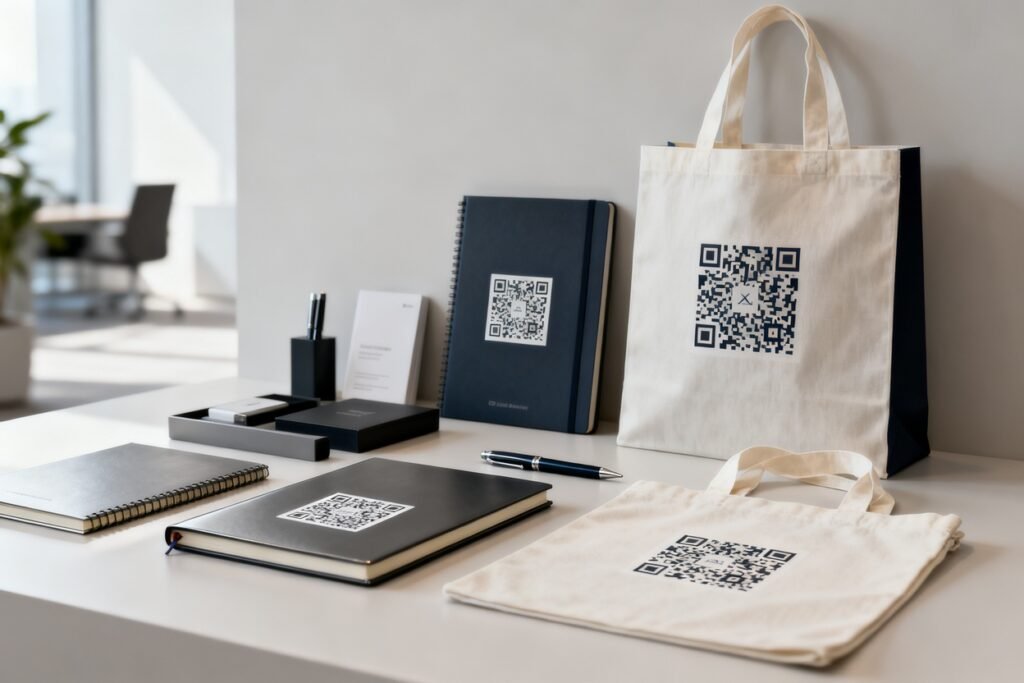
QR codes remain the workhorse of tech‑enabled swag because they require no hardware beyond a smartphone camera. Modern QR generators can embed UTM parameters, enabling marketers to track clicks, geographic source, and even device type. When a visitor scans a code on a custom water bottle, the data funnels into your CRM, tagging the prospect with the event name and booth number.
Near‑Field Communication (NFC) Tags
NFC pushes the interaction a step further. By embedding a programmable chip in a lanyard or silicone wristband, you can trigger an app launch, auto‑fill a contact form, or even unlock a personalized video demo with a single tap. The technology’s latency is measured in milliseconds, ensuring a seamless experience that feels premium rather than gimmicky.
Augmented Reality (AR) Experiences
AR is moving from novelty to necessity for high‑budget trade shows. An AR‑enabled notebook can overlay a 3D product model when scanned, allowing attendees to explore features they would otherwise only see in a brochure. While development costs are higher, the average dwell time on AR‑enabled swag is 3‑5 minutes—double the industry average—providing ample opportunity for brand messaging.
Industry Benchmarks and ROI Insights
Across sectors, the ROI of tech‑enabled swag varies but trends are clear. A finance firm that distributed NFC‑enabled credit‑card‑shaped keychains at a New York fintech conference saw a 27% increase in post‑event demo requests. In healthcare, QR‑linked reusable tote bags at HLTH 2025 delivered a 31% boost in newsletter sign‑ups, demonstrating that even regulated industries can leverage these tools when compliant data practices are observed.
Best‑Practice Playbook for 2026 Trade Show Booths
- Define a single conversion goal. Whether it’s demo bookings, newsletter subscriptions, or app downloads, align every tech‑swag element to that metric.
- Choose the right technology for the audience. Tech‑savvy crowds (software, gaming) respond well to NFC and AR; broader audiences (manufacturing, government) may prefer QR codes.
- Integrate branding. Ensure the QR or NFC location does not disrupt the visual design. A discreetly placed QR on a branded jacket cuff works better than a large sticker on a tote.
- Test tracking URLs ahead of time. Use link shorteners that provide real‑time analytics to catch any misconfiguration before the show.
- Train booth staff. Employees should be able to explain what the attendee will receive after scanning and reassure them about privacy.
- Collect feedback. Post‑event surveys asking “Did the QR‑code giveaway add value?” can validate the investment.
Choosing a Mission‑Driven Partner
Partnering with a mission-driven swag company gives you access to high‑quality tech‑enabled items while supporting social impact. Social Imprints employs under‑privileged and formerly incarcerated individuals, turning each order into a job opportunity. Their catalog includes NFC‑enabled keychains made from recycled aluminum, QR‑printed drinkware, and AR‑ready apparel that align with ESG goals.
For brands emphasizing sustainability, the eco-friendly promo products line offers biodegradable QR stickers and plant‑based NFC tags, marrying data capture with reduced environmental footprints.
Real‑World Examples Across Industries
Technology: A SaaS startup at Dreamforce 2026 handed out QR‑linked silicone phone wallets. Scans directed prospects to a sandbox environment, generating 1,200 trial sign‑ups in 48 hours.
Healthcare: A medical device manufacturer used NFC‑enabled scrubs at HIMSS 2025. Tapping the tag launched a video explaining device compliance, leading to a 19% increase in sales‑engineer meetings.
Finance: A regional bank distributed QR‑coded reusable coffee mugs at a New York finance summit. Each scan entered the user into a secure portal where they could schedule a private wealth consultation.
Education: A university career services office provided AR‑enabled notebooks at campus recruiting fairs. Prospective students scanned the cover to view 3D campus tours, boosting recruitment conversions by 22%.
Future Outlook: 2027 and Beyond
Looking forward, the convergence of 5G and edge computing will make real‑time personalized experiences possible at scale. Expect QR codes that render instant localized content, NFC tags that sync with smart‑wearables, and AR swag that adapts based on the viewer’s purchase history. Companies that invest in flexible, data‑rich swag platforms today will reap loyalty dividends tomorrow.
Frequently Asked Questions
How can QR codes be tracked without violating privacy?
By using anonymized URLs and aggregating scans, you can measure engagement without collecting personal data.
What budget should I allocate for tech‑enabled swag per attendee?
Most firms budget $5‑$15 per attendee for QR‑linked items, scaling up for NFC or AR experiences.
Are NFC tags reusable for multiple events?
Yes—reprogramming NFC tags allows you to repurpose them, reducing waste and cost.